
So you’re about to go pick out a puppy and you’re freaking out a little because what if you choose wrong? What if the perfect puppy is right there and you somehow miss it and end up with the dud?
First off, there’s no dud. They’re puppies. They’re all great. But yeah, there are differences, and some puppies are genuinely better fits for certain families than others.
I’ve been through this twice now—once when I had no idea what I was doing and once after I’d learned some stuff the hard way.
Whether you’re looking at Slater Creek Golden Retriever puppies in Colorado or checking out puppies for sale from any breeder, the same basic rules apply.
Let me tell you what I wish someone had told me before my first puppy visit.
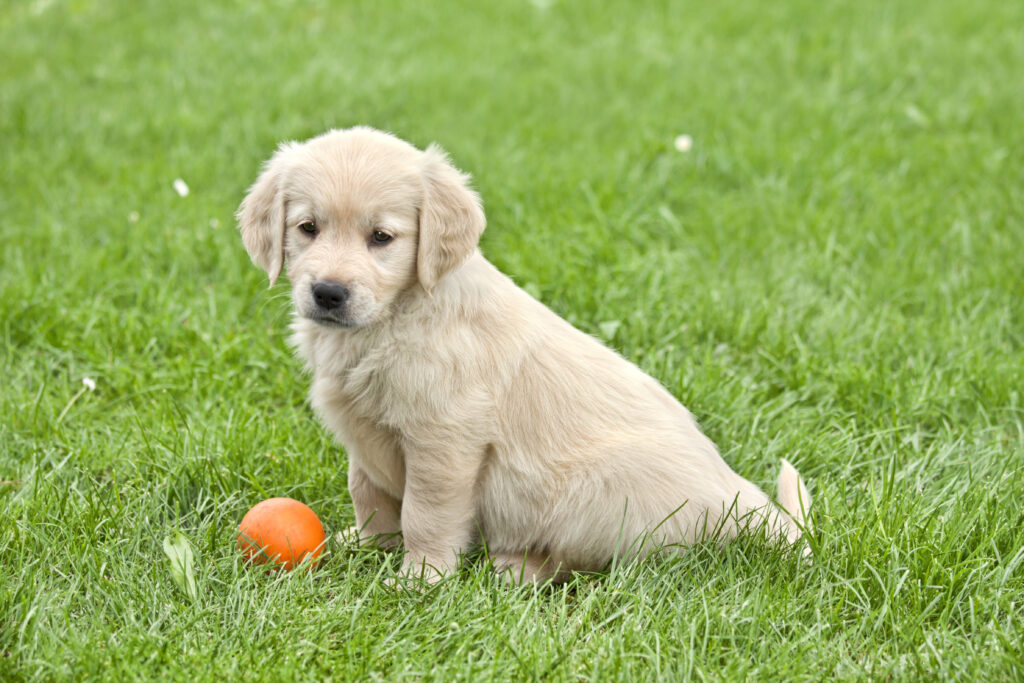
Are You Looking For The Perfect Puppy For Your Family?
They’re Not Ready When They’re Born (Obviously)
You can’t just roll up when the puppies are two weeks old and grab one. Well, you could, but any decent breeder would throw you out. Puppies need to stay with their mom and siblings for at least eight weeks, sometimes longer.
That’s when you can actually see personality differences instead of just watching them sleep and nurse and poop, which is basically all newborn puppies do.
What You See When You First Walk In
Don’t interact right away. I know it’s hard because you want to dive into that puppy pile immediately, but just watch them for a few minutes first.
There’s always one puppy who’s basically running the show—first one to the food, first one to investigate new things, the one body-slamming their siblings for fun.
Then there’s usually one who’s more hesitant. Not scared necessarily, just… taking it all in before diving in. Watching from the sidelines. When I picked my second dog, that was the one I gravitated toward because my first dog had been the wild child and I was older and tired and wanted something different this time around.
Most of them are somewhere in the middle—not crazy, not shy, just normal puppy chaos.
Basic Health Stuff You Can Check
The breeder should’ve already had them vet checked.
And they should smell like puppies. If you’ve never smelled a puppy before this won’t help you, but healthy puppies have this specific warm smell. If they smell sour or gross, something’s up.
The Personality Thing Is Trickier Than You Think
Pay attention to what they do after that first hello. Do they stay interested or immediately wander off? When you pet them, do they seem into it or are they trying to escape back to wrestling their siblings?
Pick them up if the breeder says it’s okay. Some melt into your arms. Some act like you’re kidnapping them and thrash around. Some try to eat your face. None of this is bad, it’s just information about who they are.
Try making a little noise—not loud enough to scare them, just talking to them or something. See how they react. The confident ones will look at you like “what was that?” The sensitive ones might jump. The bomb-proof ones won’t even care.
My first dog didn’t react to anything. Thunder, fireworks, vacuum cleaner—did not care. My second dog hears a plastic bag rustle and thinks the world is ending. Same breeder, same family raised environment, totally different personalities.
The Breeder Knows More Than You Do
This was hard for me to accept because I’m kind of a know-it-all. But the breeder has been living with these puppies every single day. They know stuff you can’t possibly know from a one-hour visit.
They know which puppy figured out how to climb out of the whelping box first. Which one cries if left alone for thirty seconds. Which one is food-motivated and which one would rather play than eat. Which one is already trying to herd the other puppies.
Good breeders match puppies to families instead of just letting people pick whichever one they want. I fell in love with the boldest puppy in my second litter—this gorgeous girl who was just fearless and confident. The breeder said, “She’s amazing, but I think you’d be happier with her sister. She’s more chill, better for your lifestyle.”
I was annoyed at first because I wanted what I wanted. But she was totally right. The female that the breeder picked has been perfect for us. The other female went to a family with teenagers who wanted to do agility training, and from what I hear, she’s thriving. Everyone ended up with the right dog.
About Those Slater Creek Puppies
When you’re looking at Slater Creek Golden Retriever puppies or any puppies for sale from breeders who raise litters in their actual homes, you’re already starting with an advantage. These aren’t kennel puppies who’ve only ever seen the inside of a barn. They’ve heard the doorbell, the TV, the blender. They’ve walked on different surfaces.
Family raised makes a massive difference in how adaptable puppies are. My first dog came from a kennel situation—not a bad one, just not home-raised—and everything scared him for the first month. The dishwasher? Terrifying. The garbage truck? End of the world. He adjusted eventually, but it took work.
My second dog, raised in a home with kids and chaos, showed up at my house and was like “cool, what’s for dinner?” Nothing fazed him. Well, except plastic bags, but that’s his weird thing.
But even in a well-socialized Colorado litter where the breeder did everything right, puppies will still have different personalities. That’s just genetics and individual temperament.
What Your Gut Is Telling You
After you’ve watched them and played with them and talked to the breeder, you’ll probably have a feeling. Trust it, but also be willing to hear what the breeder thinks.
The best scenario is when you and the breeder agree. “I really connect with this puppy” and the breeder says “yeah, I was going to suggest that one for you.” That’s the sweet spot.
If the breeder suggests a different puppy than the one you’re drawn to, at least hear them out. They might see something you’re missing. Or they might be wrong—it happens. But at least consider their input.
The Waiting Is The Worst Part
This waiting period sucks. You’ll obsess over the photos the breeder sends. You’ll buy too many toys. You’ll rearrange your house seventeen times trying to decide where the crate should go.
Use this time to actually prepare though. Get your supplies, puppy-proof everything, take time off work if you can for those first few days.
When You Finally Bring Them Home
You’ll second-guess yourself for about twenty minutes when they pee on your rug and cry all night and you realize you’ve made a terrible mistake and have no idea how to take care of a living creature.
Then they’ll do something stupidly cute like fall asleep on your feet, and you’ll forget you ever had doubts.
The first few weeks are rough. Not gonna lie. But around week three or four, things start clicking. You figure each other out. They learn where to pee (mostly). You learn their weird quirks and signals.
By month three, you can’t imagine your life without them, and you’ll look at their puppy photos and get weirdly emotional about how small they used to be.
Real Talk About Choosing
There’s no formula that guarantees you pick the perfect puppy. You can do everything right and still end up with a dog who’s different than you expected. That’s okay. They’re living creatures with their own personalities, not products you ordered to exact specifications.
The goal isn’t finding a perfect puppy. It’s finding a puppy who’s a good match for your life, your energy, your experience level, and your expectations. Sometimes the puppy you need isn’t the puppy you wanted, and it takes a minute to realize that’s actually better.
Watch them carefully. Listen to the breeder. Trust your instincts but stay flexible. Ask a million questions. And remember—you’re not just picking a puppy. You’re choosing your best friend for the next 10-15 years. Take it seriously, but also don’t overthink it so much that you forget to enjoy the moment.
Because standing in a room full of puppies, trying to figure out which one is yours? That’s a pretty great problem to have.